4th grade science story - Washington State

Follow a salmon from gravel nest to ocean and home again.

Welcome, scientists! In Washington, Pacific salmon begin in cool streams, grow up in fresh water, travel to the salt water of Puget Sound and the Pacific Ocean, then find their way back to spawn. Scroll the story, meet five species, then play and quiz.

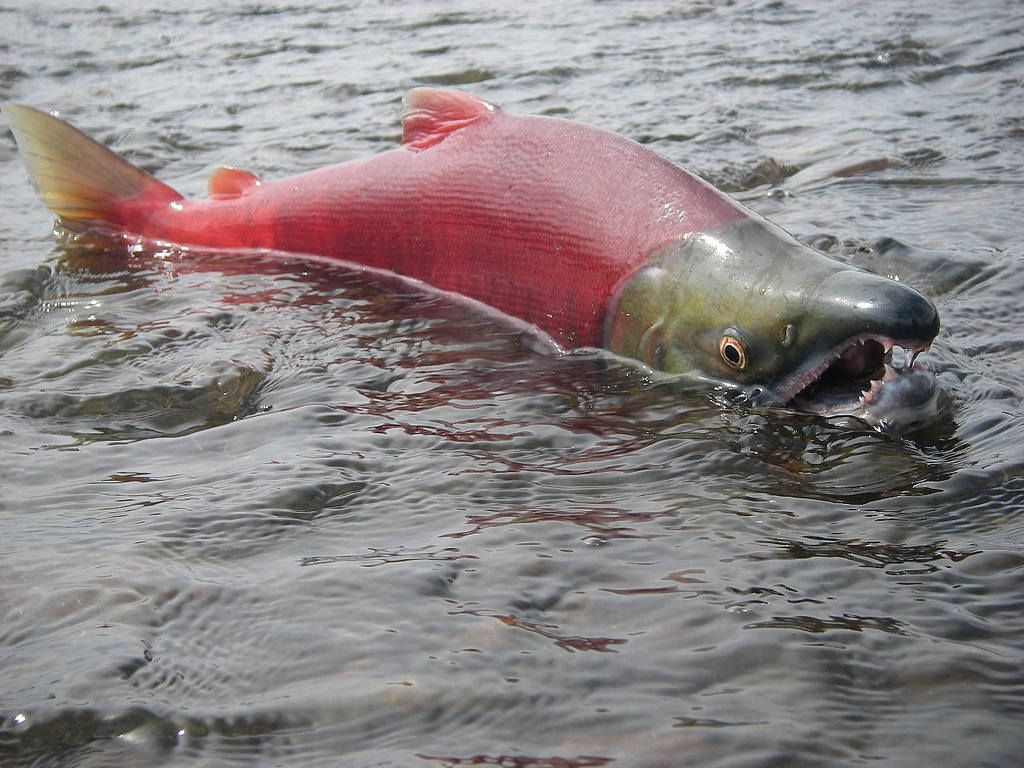
Bright red spawning sockeye salmon swimming in clear water
Pacific salmon Wild travelers of Washington rivers and the ocean

A salmon's journey

This is one big circle of life. Each stage has a job. Take your time and notice what changes from egg to adult.

Eggs in a gravel redd

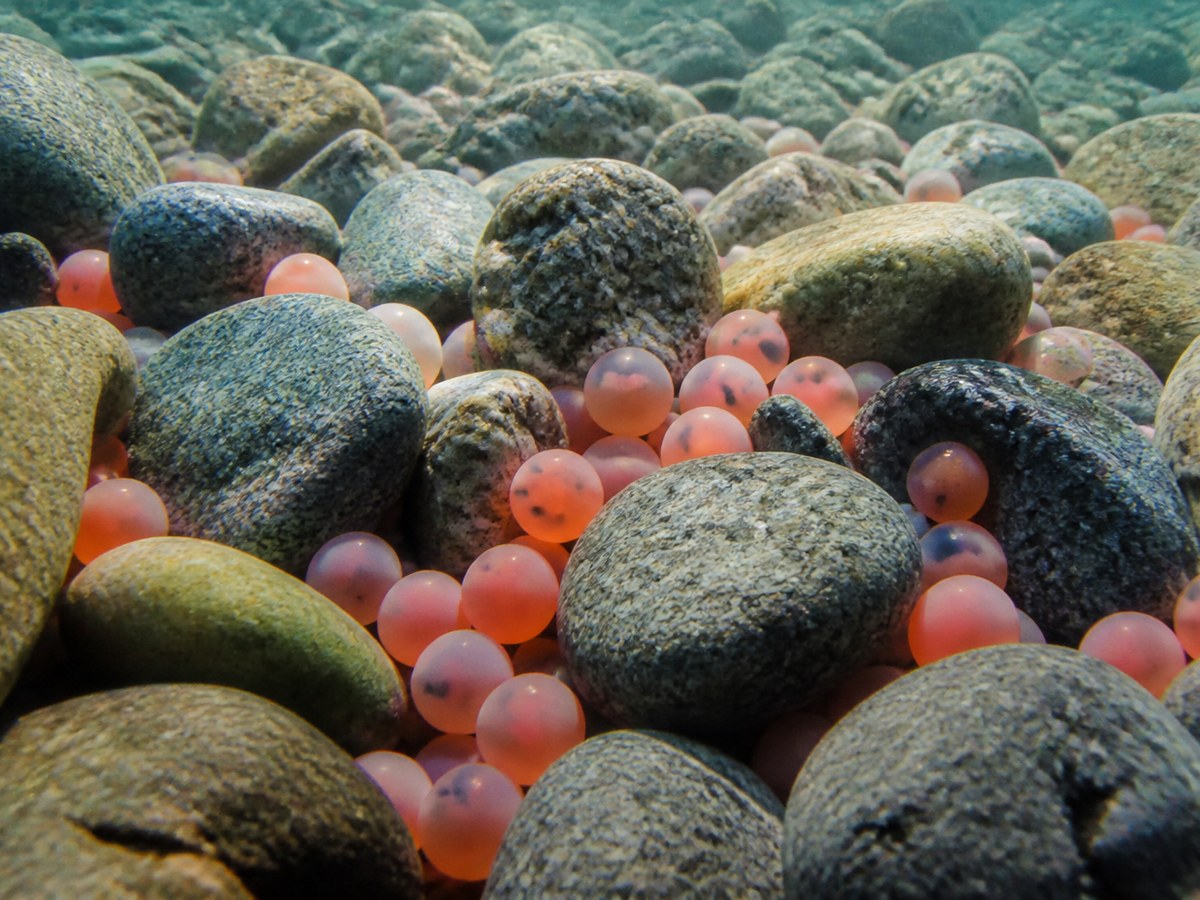
Adult salmon dig a nest in stream gravel. That nest is called a redd. Soft orange-pink eggs rest there, safe under cool, clean water.

Alevin and fry

Eggs hatch into alevin. Each alevin carries a yolk sac like a lunch box. When the yolk is gone, the young fish are called fry. They dart out to find tiny food.

Parr, then smolt

As fry grow, dark bars appear on their sides. Now we call them parr. Later they become smolts. Their bodies change so they can leave freshwater streams for salt water.

Ocean life and the return

In the Pacific Ocean (and nearby waters like Puget Sound), salmon grow into strong adults. Years later, many swim back to Washington rivers and streams to spawn. Then new eggs begin the story again.

Indigenous peoples of the Pacific Northwest have cared for salmon, rivers, and related lands for countless generations. Their knowledge and stewardship help us understand why healthy habitat matters for salmon today.
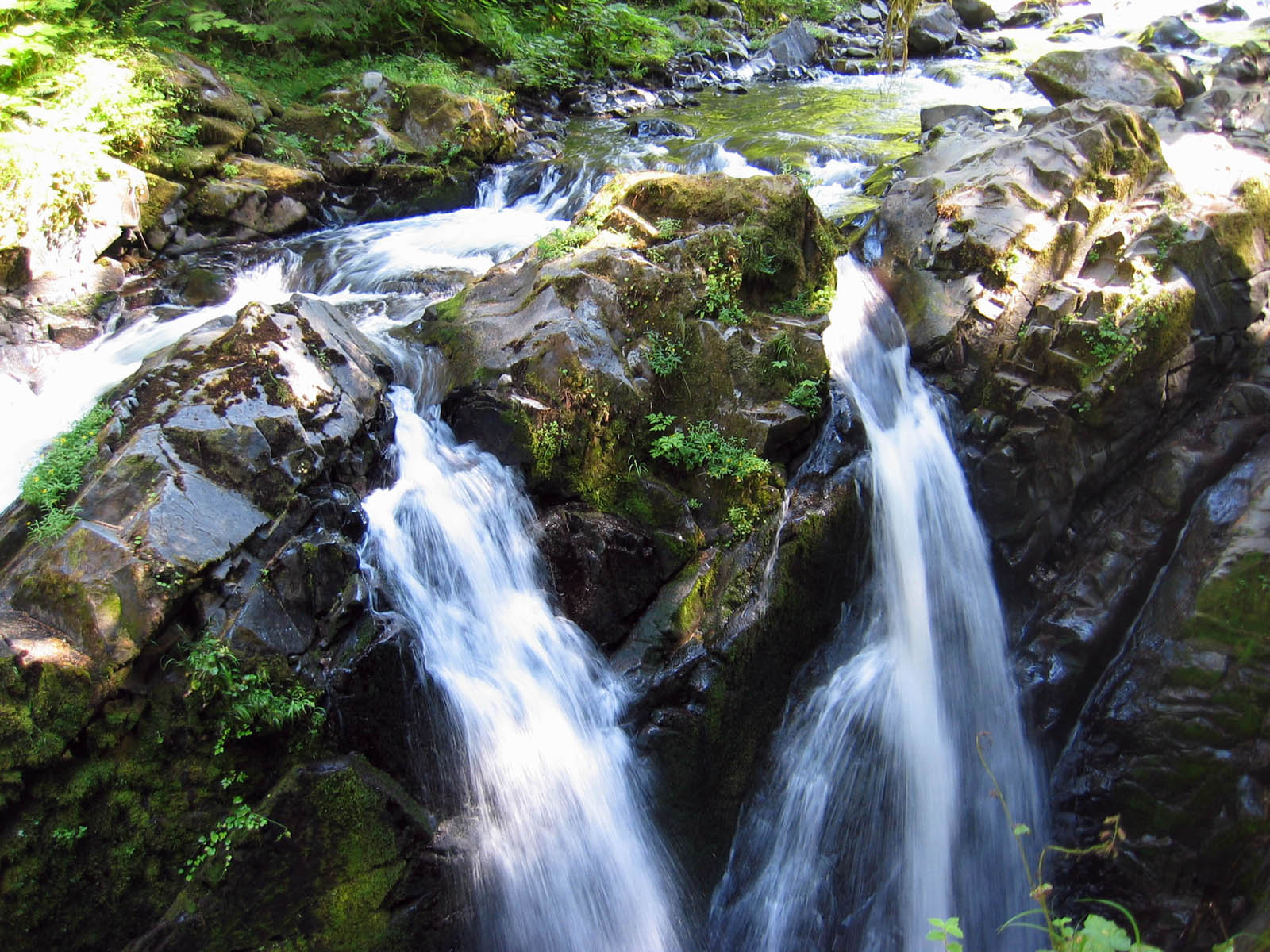
Clear mountain stream with rocks and forest along Icicle Creek in Washington
Freshwater home: cool streams and rivers like those across Washington.
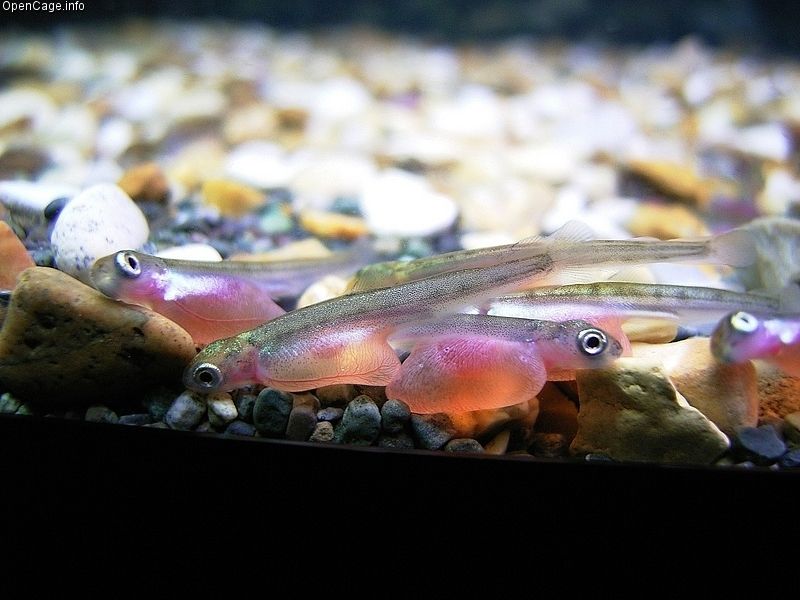
Newly hatched salmon alevin with visible yolk sac
Alevin still use a yolk sac for food while they hide near gravel.
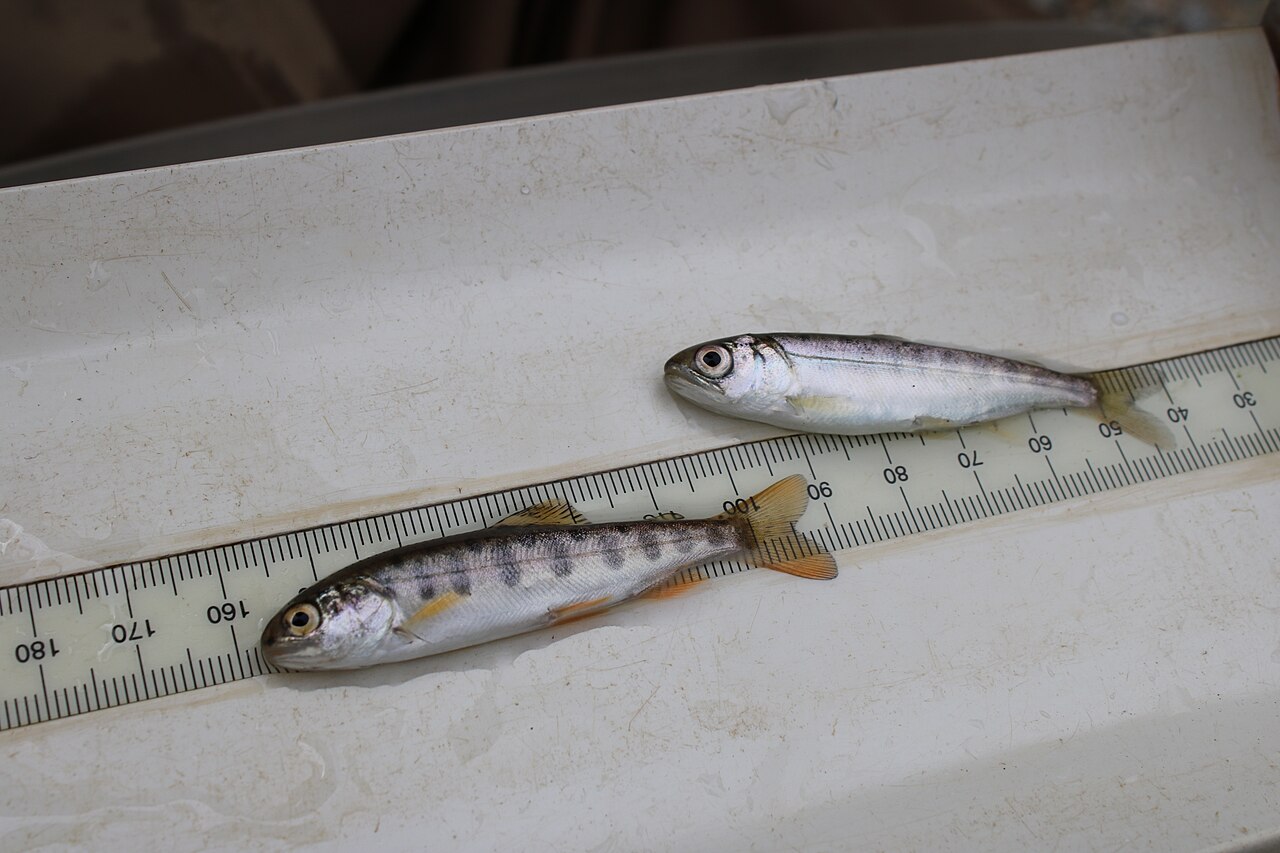
Juvenile Chinook salmon held gently for scientific measurement
Young Chinook grow in fresh water before heading toward the ocean.

Lifecycle stages

Seven kid-friendly steps with pictures. Fresh water first, salt water in the middle, then a freshwater return. Explore each card like a scientist.

Fresh water Ocean / coast River return

  1. Salmon eggs in gravel 1 Egg Stream redd
  2. Salmon alevin with yolk sac 2 Alevin Under gravel
  3. Salmon fry 3 Fry Stream edges
  4. Young salmon parr 4 Parr Rivers
  5. Salmon smolt 5 Smolt Estuary
  6. Adult salmon in ocean waters 6 Adult Pacific Ocean
  7. Spawning salmon returning home 7 Spawn Home river

Follow the photos in order: start in freshwater gravel, grow toward the ocean, then return to Washington rivers to spawn.

Salmon eggs in stream gravel 1

Tiny eggs in a gravel nest

Fresh water - stream gravel redd

Parent salmon dig a nest called a redd in cool stream gravel. Soft orange-pink eggs rest there, washed by clean, moving water. Memorable fact: one redd can hold hundreds of eggs, like a hidden treasure under the stones!

Salmon alevin with yolk sac 2

Alevin with a built-in lunch

Fresh water - under the gravel

Eggs hatch into alevin. Each one still carries a yolk sac that works like a lunch box. They stay quiet near the stones while they grow. Memorable fact: alevin do not hunt yet - their yolk food keeps them full!

Young salmon fry in a stream 3

Fry zip out to snack

Fresh water - stream edges

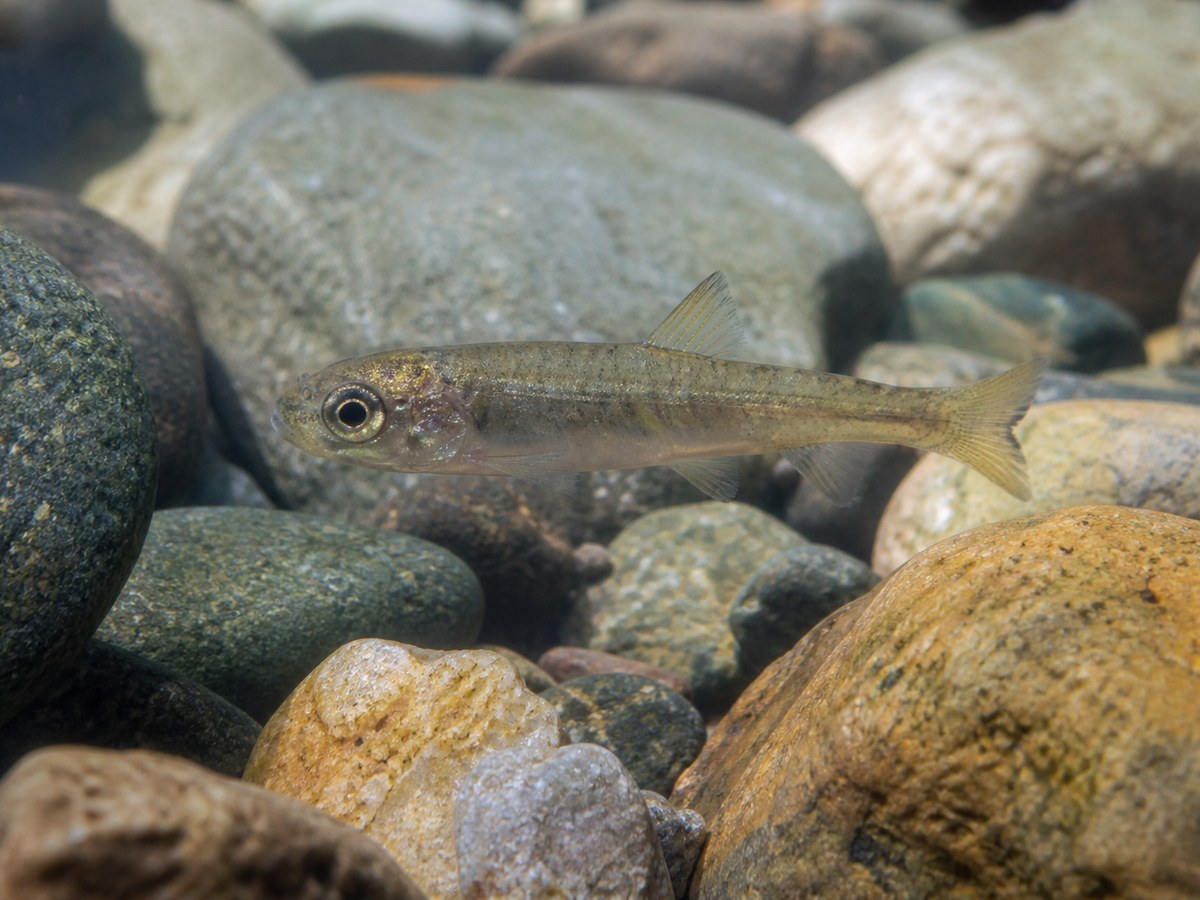
When the yolk is gone, young fish are called fry. They dart into the stream to find tiny insects and bits of food. Shallow, shady spots help them hide. Memorable fact: fry are small but busy - they practice swimming every day!

Juvenile Chinook salmon with young freshwater look 4

Parr wear camouflage bars

Fresh water - rivers and creeks

As fry grow, dark vertical bars appear on their sides. Now we call them parr. The bars help them blend with rocks and ripples while they get stronger. Memorable fact: those bars are nature's camouflage paint!

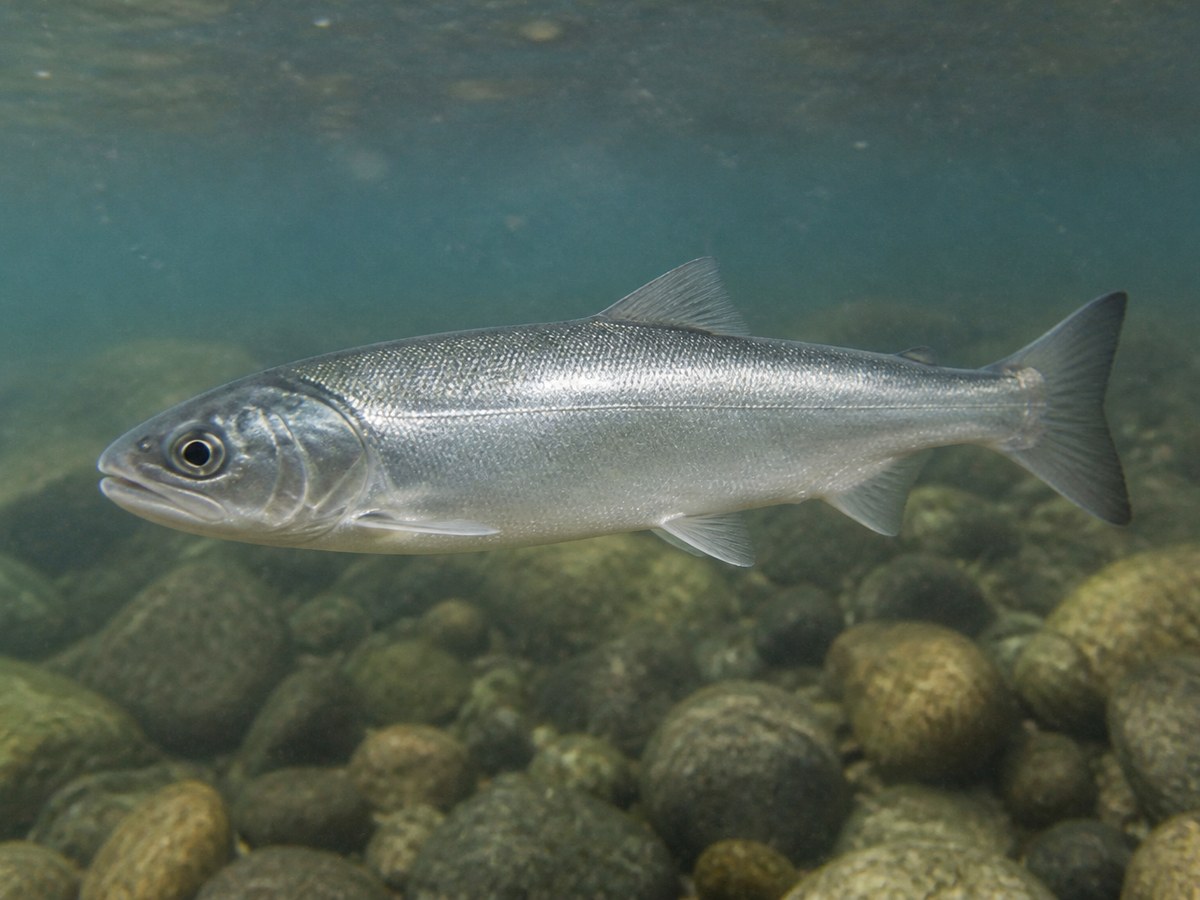
Silvery salmon smolt in river water 5

Smolts get saltwater ready

Downstream - estuary and coast

Smolts change so their bodies can handle salt water. They travel downstream toward estuaries, where fresh water and ocean water mix, then head for the coast. Memorable fact: a smolt's silver look is a sign it is packing for the ocean trip!

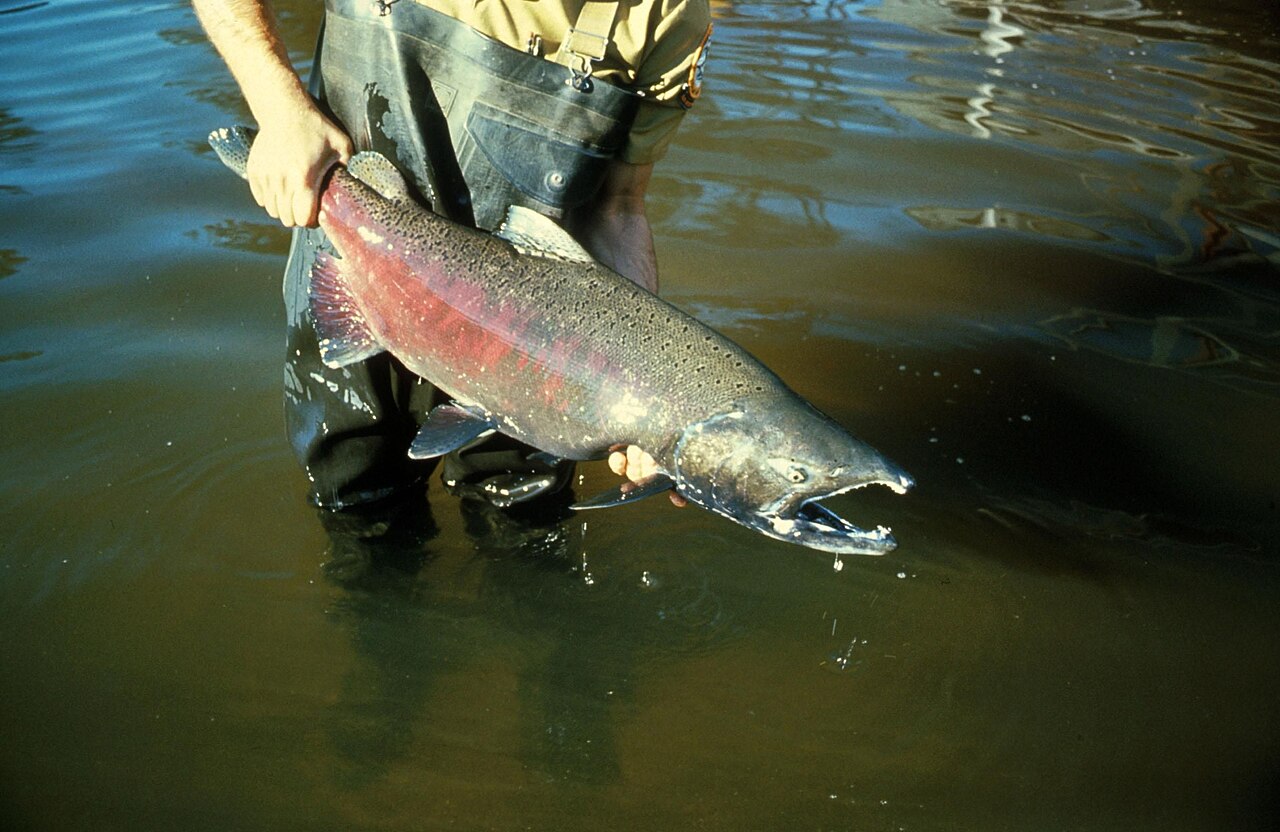
Adult Chinook salmon underwater 6

Adults grow in the ocean

Pacific Ocean / Puget Sound coast

In the ocean and nearby coastal waters, salmon grow into strong adults. They feed, travel far, and get big enough for the long swim home. Memorable fact: some Washington salmon roam for years before they return!

Spawning sockeye salmon returning to freshwater 7

Spawning return - home again

Back to Washington rivers and streams

Adults navigate home to freshwater streams to spawn. After they dig redds and lay eggs, a new generation begins the circle of life. Memorable fact: many salmon find the same river system where they started as eggs! Classroom tip: keep litter out of storm drains so streams stay cleaner for fish.

Five Pacific salmon of Washington

Washington waters are home to five famous Pacific salmon. Learn nicknames, size vibes, and one fun ID tip. Tap or click a photo to see it larger.

Chinook

Nickname: King

Size vibe: the biggest of the five - a true heavyweight traveler. Where they go: big rivers and far into the Pacific Ocean. ID tip: think "king-sized" when you hear Chinook!

Coho

Nickname: Silver

Size vibe: medium, strong, and quick. Where they go: streams, rivers, and the ocean; they often stay closer to the coast than Chinook. ID tip: look for a bright silver shine in the ocean, then warmer colors when spawning.

Sockeye

Nickname: Red

Size vibe: medium with a bold color change later. Where they go: many are linked to lakes as well as rivers and the ocean. ID tip: spawning sockeye turn deep red - hard to miss!

Pink

Nickname: Humpy

Size vibe: the smallest of Washington's five Pacific salmon. Where they go: often a shorter freshwater stay, then out to the ocean. ID tip: spawning males can grow a humped back - that is why kids say "Humpy."

Chum

Nickname: Dog

Size vibe: medium to large with strong spawning looks. Where they go: many coastal streams and nearby ocean waters. ID tip: watch for bold stripes and patterns when chum return to spawn.

Put the stages in order

Drag with a mouse, or tap a stage and then tap a numbered box. You get feedback right away for each placement. Correct stages turn into pictures!

Goal: place each stage in the correct numbered slot (1 = first). Wrong guesses bounce back to the bank.

Stage bank

Your order (1 = first)

Quick classroom quiz

Eighteen questions in the bank - each round shows six. You get feedback right away. Reset draws a fresh set of six. No grades stored - just practice!

Loading question...

Sources and image credits

Photos are saved locally for classroom use. Credits below name public-domain or clearly free-to-use sources. Do not assume every salmon photo online is free.

  • Spawning sockeye hero: U.S. EPA via Wikimedia Commons (public domain).
  • Chinook photo: U.S. Fish and Wildlife Service via Wikimedia Commons (public domain).
  • Coho photo: U.S. Fish and Wildlife Service via Wikimedia Commons (public domain).
  • Sockeye species image: Timothy Knepp / USFWS via Wikimedia Commons (public domain).
  • Pink salmon art: Timothy Knepp / USFWS via Wikimedia Commons (public domain).
  • Chum salmon photo: Focus Saranpat Ouilapan via iNaturalist / Wikimedia Commons (CC0).
  • Juvenile Chinook (parr stage card): USFWS Pacific Southwest Region via Wikimedia Commons (public domain).
  • Alevin photo: OpenCage, Wikimedia Commons file Salmon newborn (CC BY-SA 2.5).
  • Stream photo: Sol Duc Falls by Jason Pratt (FishSpeaker), Flickr via Wikimedia Commons (CC BY 2.0).
  • Lifecycle path photos: combination of public-domain wildlife photos and classroom-generated realistic stage images.

Content written for Mrs. Mandeville's 4th-grade class at Orchard Elementary (Richland, WA). Keep learning curious and kind.